Make Your Vision a Reality: Why Choosing a Custom Home Builder Is Crucial
Selecting a custom home builder can substantially impact the realization of one's vision for a dream home. These experts provide tailored solutions that cater specifically to individual lifestyles and preferences. Unlike conventional builders, custom builders deliver the flexibility required for changes during the construction process. Understanding the distinctive benefits and considerations of this choice is vital. What makes a custom home truly special, and how can one verify the right builder is picked?
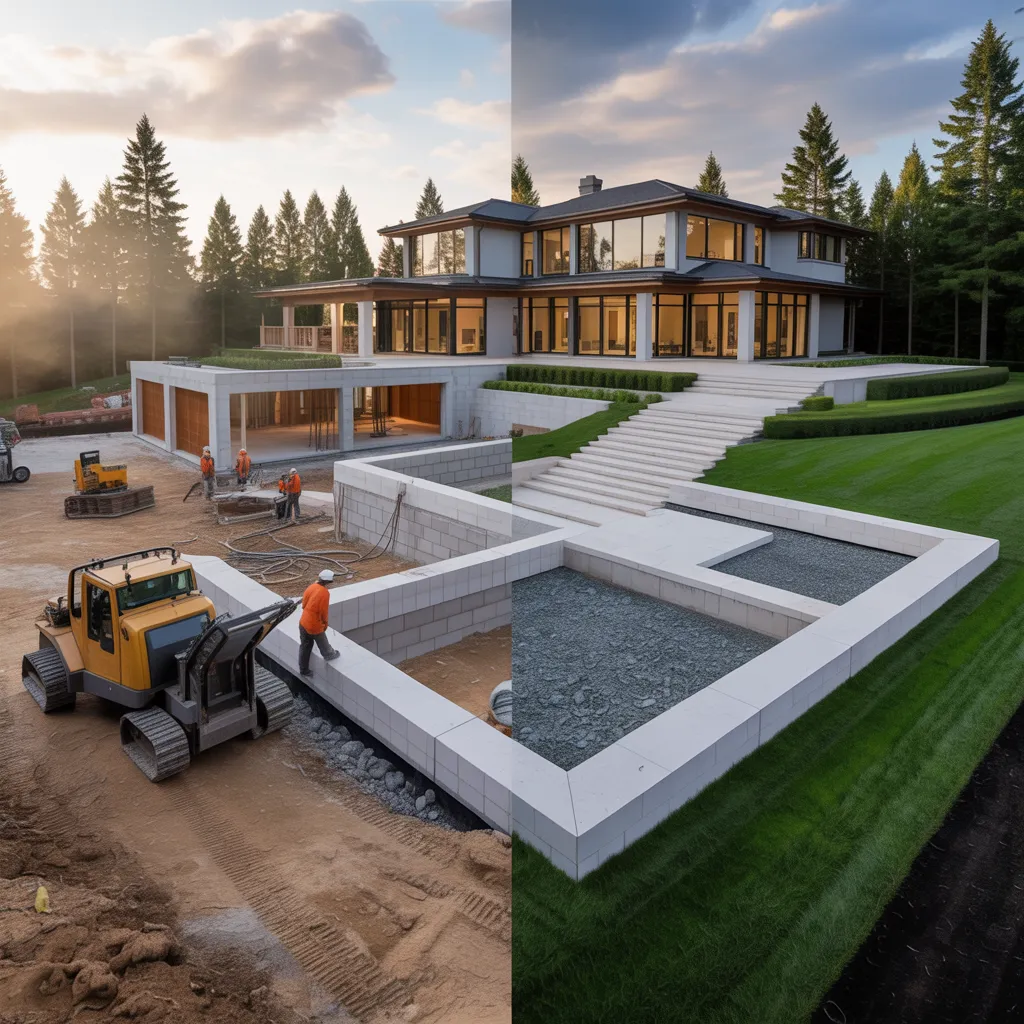
Special Perks of Selecting a Custom Home Builder
When individuals decide to build their dream home, they often find that choosing a custom home builder offers unique advantages. One significant benefit is the ability to design a home that aligns precisely with their vision and needs. Custom builders collaborate closely with clients, ensuring that every detail reflects their preferences, from layout to finishes.
Moreover, custom builders typically provide a superior level of craftsmanship compared to traditional builders. Their expertise enables the use of premium materials and innovative construction techniques, resulting in a more durable and visually appealing home.
Additionally, custom builders are usually more flexible in accommodating changes throughout the construction process. This adaptability can be invaluable when unexpected issues occur.
Lastly, working with a custom builder can elevate the overall experience, as they often prioritize communication and transparency, building a trusting relationship throughout the project. These factors collectively place custom builders as a compelling choice for home construction.
Personalizing Your Living Space to Fit Your Lifestyle
How does a custom home truly reflect an person's lifestyle? By partnering with a custom home builder, homeowners can develop spaces that cater specifically to their distinctive needs and preferences. This process allows for the incorporation of personal tastes, whether that means designing a gourmet kitchen for cooking enthusiasts or a serene home office for telecommuters.
In addition, custom homes can adjust to the dynamics of family life. For instance, a growing family may prioritize an open floor plan that fosters togetherness, while empty nesters might desire a more intimate layout.
Furthermore, the inclusion of exterior living areas can enhance leisure activities, promoting a lifestyle that values entertainment and relaxation. Finally, a custom home functions as a canvas for unique expression, harmonizing architecture and functionality to accommodate everyday living, making it a authentic reflection of the homeowner's lifestyle.
Why Design Adaptability Is Important for Your New Home
Design adaptability is vital in developing a home that really addresses individual needs. Tailored design solutions allow homeowners to customize spaces for better functionality and comfort. This personalization develops a living environment that corresponds to both lifestyle and preferences.
Tailored Design Offerings
Though numerous homeowners imagine a space that reflects their unique lifestyle and preferences, attaining this vision often relies on the flexibility of design offered by a custom home builder. Customized design solutions allow for the incorporation of personal aesthetics and functional needs, ensuring that every aspect of the home is attentively examined. Custom builders work closely with clients to understand their desires, facilitating adjustments in layout, materials, and finishes. This collaborative approach encourages innovative solutions, transforming standard blueprints into personalized havens. Moreover, the ability to adapt designs throughout the building process accommodates evolving ideas and preferences, making the final product truly one-of-a-kind. In the end, customized design solutions empower homeowners to create spaces that align with their individuality and enhance their overall living experience.
Custom Features Enhance Functionality
Personalization considerably enhances functionality in a new home, making it simpler for residents to navigate daily life. By working with a custom home builder, homeowners can customize layouts to fit their individual routines and preferences. This flexibility permits the incorporation of essential features such as spacious kitchens for family gatherings or dedicated home offices for remote work. Furthermore, personalized storage solutions can eliminate clutter, while thoughtfully designed living spaces foster comfort and efficiency. Customization encompasses energy-efficient appliances and smart home technology, ensuring that the home meets the modern demands of its occupants. Ultimately, prioritizing design flexibility not only increases aesthetic appeal but directly leads to a more functional and harmonious living environment.
Your Step-by-Step Custom Home Building Guide
Constructing a custom home is an thrilling journey that begins with thorough planning and well-informed decision-making. The opening step involves establishing a budget, which will inform all following choices. Next, choosing a suitable lot is essential, as location can influence architectural plans and livability. Once the site is obtained, homeowners should develop a comprehensive wish list that specifies essential features and amenities.
After this, working with an architect or designer to create initial plans helps visualizing the project. Once finalizing the design, acquiring required permits and approvals is important before construction starts.
When construction starts, frequent communication with the builder ensures that the project stays on track. Homeowners should organize regular site visits to monitor progress and deal with any concerns. Finally, once the home is complete, a comprehensive walk-through verifies that all specifications are met, culminating in the exciting moment of moving into a brand new space.
How to Pick the Right Custom Home Builder for Your Project
In what way can homeowners guarantee they find the right custom home builder for their project? First, they should undertake thorough research by seeking recommendations from friends, family, and online reviews. A shortlist of potential builders can be created based on this feedback. Next, homeowners should check credentials, confirming that the builders are licensed, carry insurance, and have relevant experience in custom home construction.
Setting up interviews with each builder helps homeowners to determine compatibility and communication styles. During these consultations, discussing their vision and requesting past project examples can offer insight into the builder's capabilities. Moreover, getting detailed information quotes helps homeowners analyze pricing and transparency.
Lastly, reviewing references and visiting completed projects can strengthen the decision-making process. By adhering to these steps, homeowners can securely pick a custom home builder who aligns with their vision and project requirements, securing a seamless building experience.
Uplifting Real-World Instances of Custom Homes and Their Distinctive Features
Although each custom home tells a unique story, numerous showcase inventive features that represent the homeowners' personalities and lifestyles. For example, one family added a rooftop garden, transforming their urban space into a green oasis, perfect for relaxation and entertaining. Another home showcased a dedicated art studio, complete with natural lighting and generous wall space, allowing the homeowner to pursue their passion for painting.
In a coastal residence, large panoramic windows not only deliver stunning ocean views but also boost natural light throughout the property. A tech-savvy couple integrated smart home technology, allowing automation for lighting, security, and climate control, adapted to their daily routines.
These cases demonstrate how custom homes are not simply structures; they are customized sanctuaries that reflect the essence of those who live in them. Each feature serves as a confirmation to the creativity and vision of the homeowners, making their dreams a reality.
Common Questions
What Is the Typical Duration of the Custom Home Building Process?
The custom home building process typically takes between six months and two years. Variables that impact timing consist of design complexity, permitting, weather conditions, and contractor efficiency, all of which can greatly impact the overall timeline.
What Are the Financing Options for Building a Custom Home?
Funding choices for building a custom home include construction loans, traditional mortgages, and personal loans. Buyers may also consider government programs or lines of credit, each presenting distinct terms and conditions adapted to individual needs.
Is It Possible to Make Changes During Construction?
Changes can frequently be implemented during the construction phase, though they may result in extra costs and project delays. It's vital to consult with the builder to grasp the consequences and viability of proposed alterations.
Which Permits Are Required for Constructing a Custom Home?
Constructing a custom home generally requires several permits, including zoning permits, building permits, electrical and plumbing permits, and potentially environmental assessments. Each locality may have specific requirements, demanding extensive research and collaboration with local authorities.
How Should I Handle Unexpected Costs During the Building Process?
To manage unexpected costs during the construction process, one should maintain a contingency budget, communicate regularly with the builder, and review contracts thoroughly. This proactive approach serves to lessen financial surprises and facilitates smoother project progression.
Comments on “Researching become a builder? Read Our Expert Advice”